Complete Guide To Renting A Room In Singapore 2026

Admin @zrooom 18-Mar-2026
Introduction
Renting a room in Singapore remains one of the most practical and affordable housing options for students, young professionals, expatriates, and individuals relocating to the city for work. Compared to renting an entire apartment, room rentals allow tenants to enjoy convenient locations, quality living environments, and lower monthly housing costs.
As Singapore continues to attract talent from around the world, demand for room rentals remains strong in 2026. Whether you are looking for a budget-friendly room close to your workplace or a private master bedroom in a condominium, understanding how the rental market works can help you avoid common mistakes and find accommodation that suits your lifestyle and budget.
In this guide, we explain the different room types available in Singapore, typical rental prices, lease terms, additional costs, and practical tips for choosing the right room.
How Much Does It Cost to Rent a Room in Singapore?
One of the first questions most renters ask is how much they should expect to pay. Rental prices vary depending on factors such as location, property type, room size, furnishing quality, and distance from MRT stations.
In 2026, budget compact rooms generally range from SGD 600 to SGD 900 per month. These are typically smaller rooms converted from utility rooms, study rooms, or yard rooms and are popular among students and budget-conscious renters.
Common rooms are the most popular room type and typically range from SGD 1,000 to SGD 1,600 per month. They offer a comfortable balance between affordability and living space, making them attractive to working professionals and international students.
Master bedrooms generally range from SGD 1,700 to SGD 2,500 per month and come with a private attached bathroom. They provide greater privacy and are often preferred by professionals, couples, and long-term tenants.
Studio apartments and entire units usually start from SGD 2,500 per month and can exceed SGD 5,000 depending on location and property type.
Types of Rooms Available in Singapore
Understanding the different room categories can help you choose accommodation that best suits your needs.
Budget Compact Rooms
Budget compact rooms are ideal for individuals who prioritise affordability over space. These rooms are typically furnished with a single bed, storage cabinet, study desk, and air-conditioning. While compact in size, they provide an economical housing option for students, interns, and individuals spending most of their time outside the home.
Common Rooms
Common rooms are the most common rental option in Singapore. They usually come with a single, super single, or queen-sized bed, wardrobe, study desk, and air-conditioning. Bathroom facilities are shared with other occupants in the apartment.
For most working professionals and students, common rooms provide the best balance between comfort and affordability.
Master Bedrooms
Master bedrooms offer the highest level of privacy within a shared apartment. In addition to larger floor areas, they include a private ensuite bathroom. Some master rooms may also feature balconies, walk-in wardrobes, or personal refrigerators.
Many professionals find master rooms a cost-effective alternative to renting an entire apartment while still enjoying a high degree of privacy.
Condominium Rooms vs HDB Rooms
Singapore room rentals are generally located in either HDB flats or private condominiums.
HDB room rentals are typically more affordable and widely available across the island. Residents enjoy easy access to neighbourhood amenities such as hawker centres, supermarkets, and public transport.
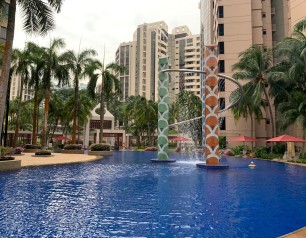
Condominium room rentals tend to command higher rental rates due to additional facilities including swimming pools, gyms, security services, and landscaped common areas.
For many renters, condominium rooms offer better lifestyle value despite the slightly higher rental costs.
Why MRT Accessibility Matters
Based on actual rental market behaviour, MRT accessibility is often more important than room size.
Properties located within walking distance of MRT stations consistently attract higher demand and achieve better occupancy rates. Many tenants are willing to pay a premium for convenience, particularly if they commute daily to work or school.
Before selecting a room, it is worth considering not just the monthly rent but also the time and transportation costs associated with commuting.
Co-Living vs Traditional Room Rental
Co-living has become increasingly popular in Singapore over the past few years.
Unlike traditional room rentals where landlords manage properties directly, co-living operators typically provide professionally managed accommodation with services such as WiFi, regular cleaning, maintenance support, online booking systems, and flexible lease terms.
Many expatriates and professionals prefer co-living because it simplifies the rental experience and reduces common issues associated with self-managed rentals.
Traditional room rentals may offer slightly lower rental rates, but service standards and maintenance responsiveness can vary significantly between properties.
Additional Costs to Consider
Many first-time renters focus only on monthly rent and overlook other expenses.
Utilities are one of the most common additional costs and typically include electricity, water, and gas consumption. Depending on the rental arrangement, utilities may either be included in the rental fee or charged separately.
Internet access is often included in co-living arrangements but may require separate subscriptions in traditional rentals.
Some professionally managed rentals also provide regular cleaning services, which help maintain cleanliness and reduce disputes among housemates.
Air-conditioning servicing is another important consideration, particularly in Singapore's tropical climate where air-conditioning is used extensively throughout the year.
Understanding Lease Terms
Before signing any rental agreement, tenants should understand the key lease conditions.
Most room rentals require a minimum stay period ranging from three months to twelve months. Co-living operators often offer greater flexibility compared to traditional landlords.
A security deposit is usually required before moving in. For shorter leases, the deposit is commonly equivalent to one month's rent. Longer leases may require two months' rent as a security deposit.
Monthly rent is typically paid in advance and tenants should familiarise themselves with any late payment policies stated in the agreement.
Can Foreigners Rent a Room in Singapore?
Yes. Foreigners can legally rent rooms in Singapore provided they hold valid immigration passes such as Employment Passes, S Passes, Work Permits, Student Passes, or Dependant Passes.
Landlords and operators may request supporting documentation for verification and regulatory compliance purposes.
What Should You Check Before Renting?
Before committing to a room rental, tenants should inspect the property's condition, verify the distance to the nearest MRT station, understand house rules, and clarify which services are included.
Pay particular attention to air-conditioning condition, furniture quality, cleanliness, and maintenance responsiveness. These factors often have a greater impact on your living experience than rental price alone.
Common Mistakes Renters Make
One of the most common mistakes is choosing accommodation solely based on monthly rent. A cheaper room may ultimately provide poorer value if maintenance standards are low or commuting time is excessive.
Another frequent mistake is failing to understand utility arrangements. Unexpected utility bills are one of the most common causes of disputes between tenants and landlords.
Many renters also fail to read rental agreements carefully before making payment, resulting in misunderstandings about deposits, notice periods, and house rules.
Practical Insights from Real Rental Operations
From actual rental operations, several factors consistently influence tenant satisfaction.
Properties located near MRT stations achieve stronger demand than larger properties located further away. Responsive maintenance support significantly improves tenant retention and satisfaction. Transparent utility billing reduces disputes, while regular cleaning contributes to a more pleasant living environment for all residents.
Many tenants initially focus on rental price, but long-term satisfaction is usually determined by management quality, cleanliness, maintenance responsiveness, and convenience.
Conclusion
Renting a room in Singapore remains one of the most affordable and practical housing options for students, professionals, and expatriates. Whether you choose a budget compact room, a common room, or a master bedroom, understanding rental costs, lease terms, and additional expenses can help you make a more informed decision.
Rather than focusing solely on monthly rent, tenants should evaluate overall value, including location, MRT accessibility, management quality, maintenance support, and included services. A well-managed property often provides a significantly better living experience than a cheaper alternative with poor maintenance and limited support.
By understanding how the Singapore rental market works and planning ahead, you can find accommodation that matches both your budget and lifestyle requirements.